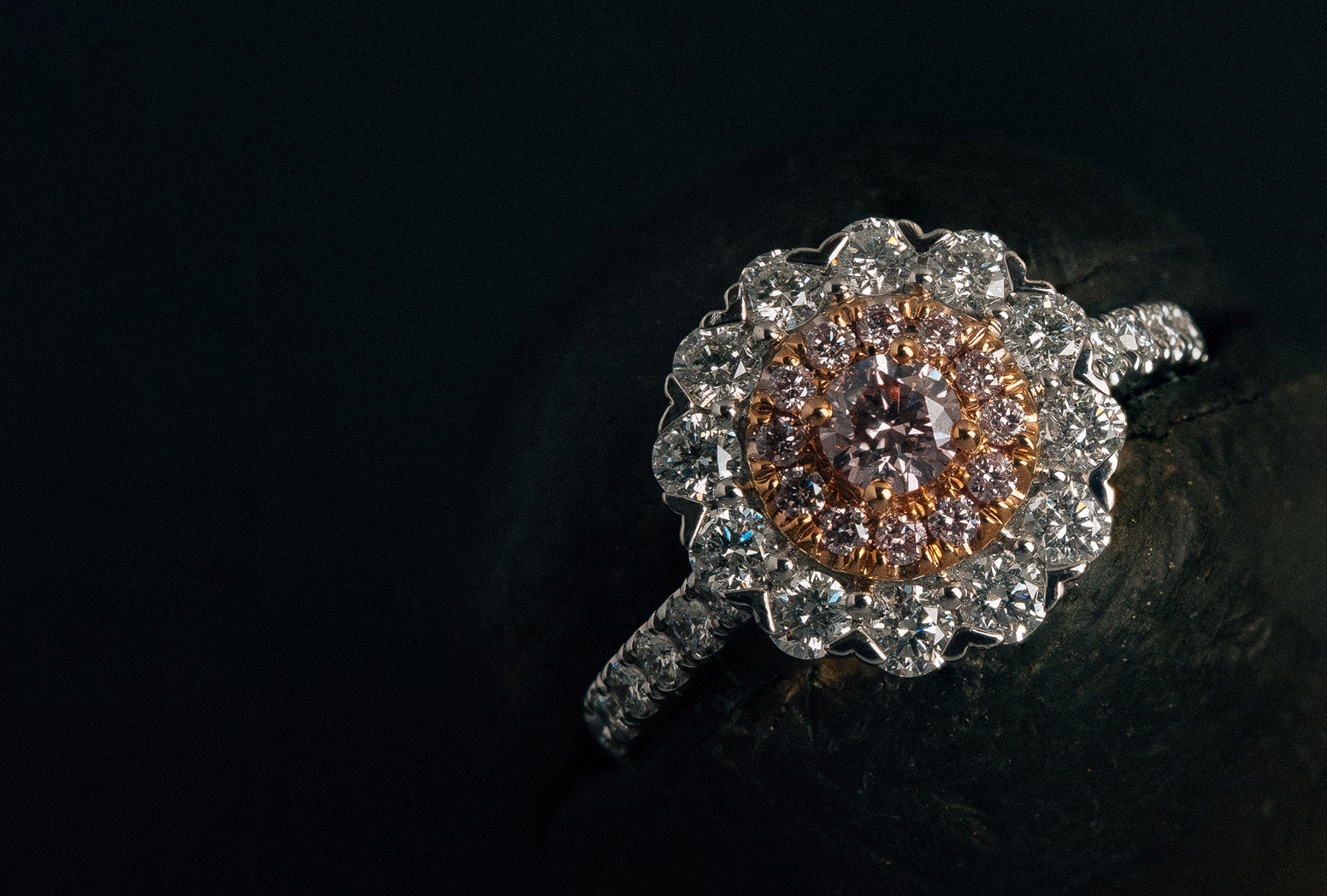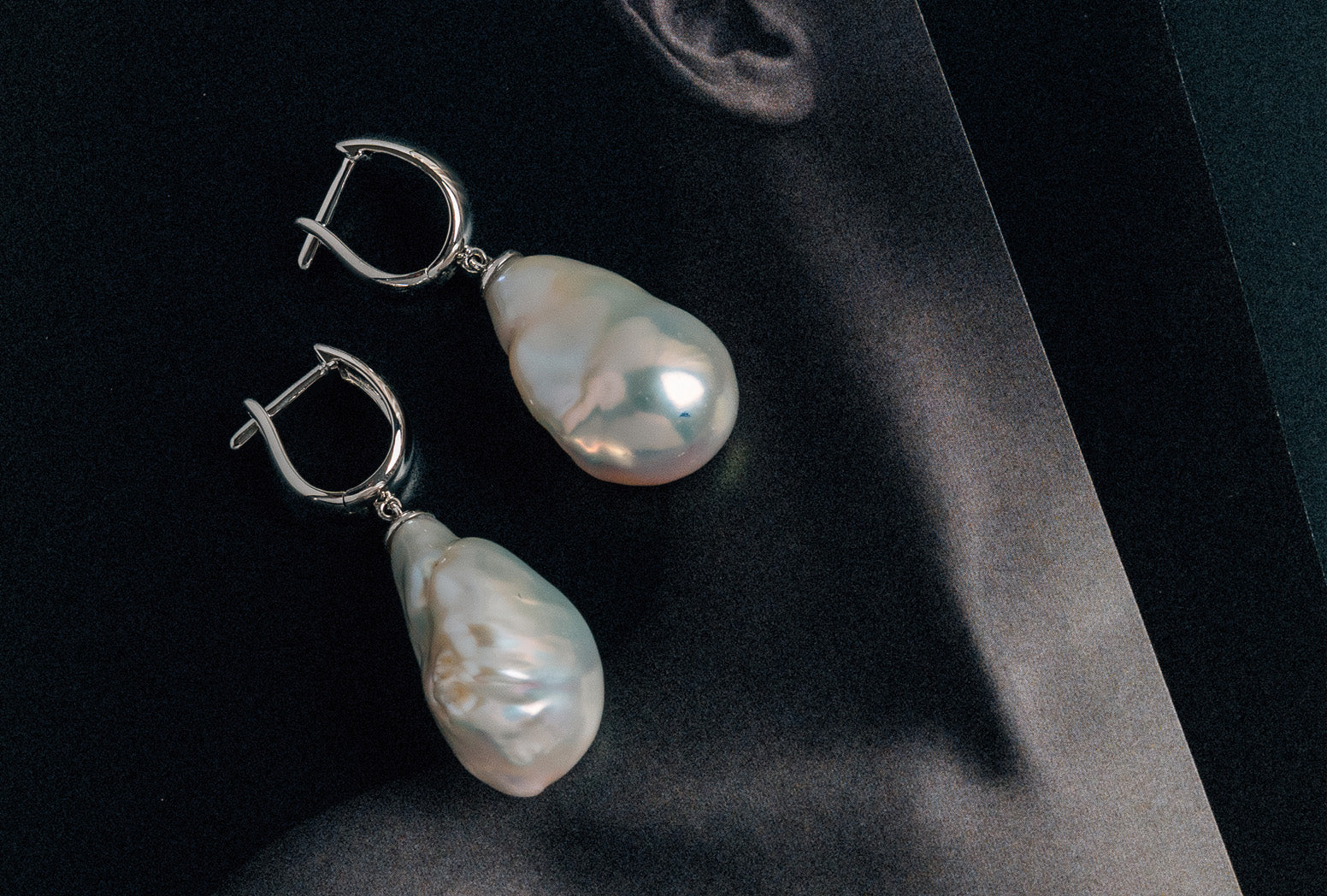
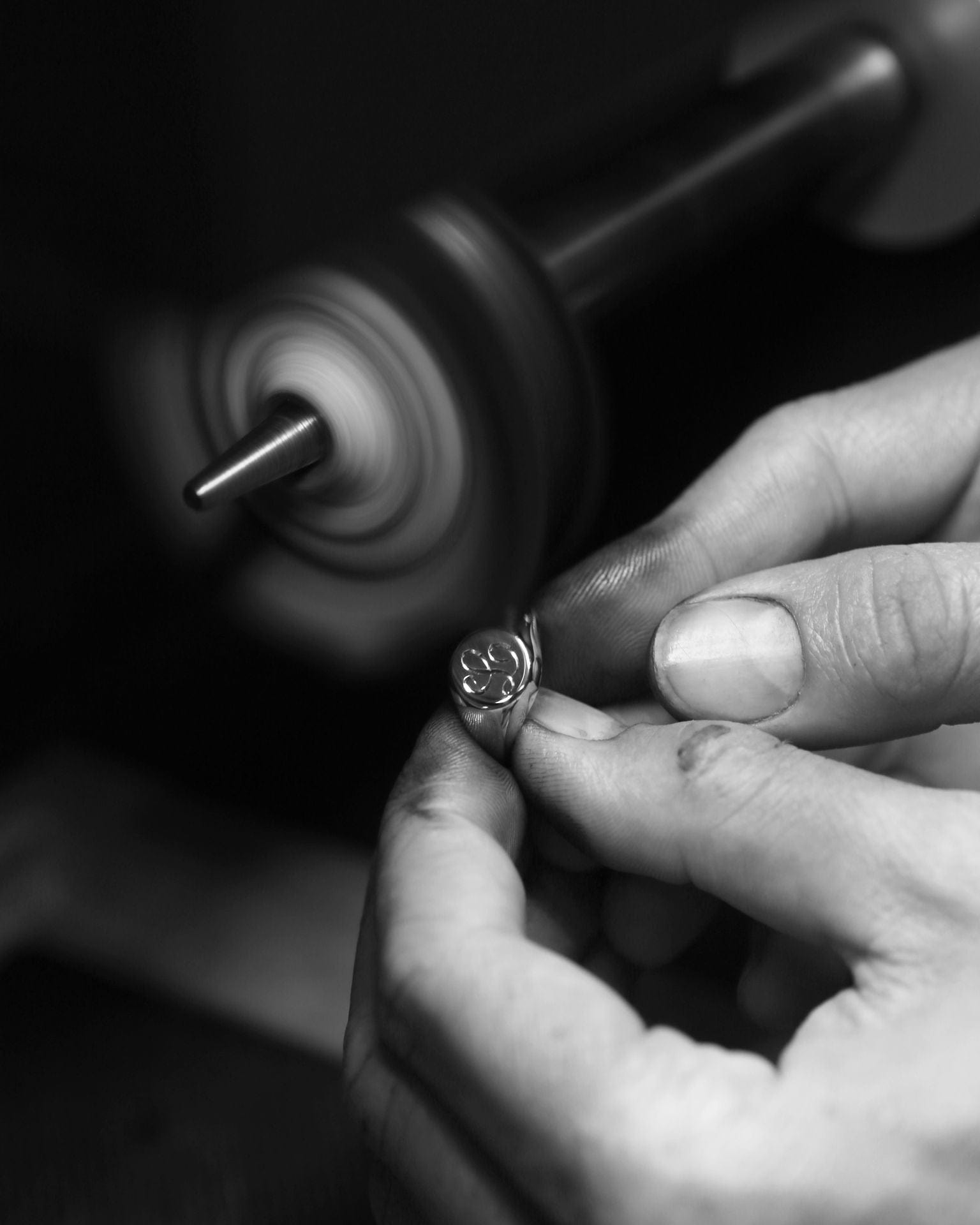
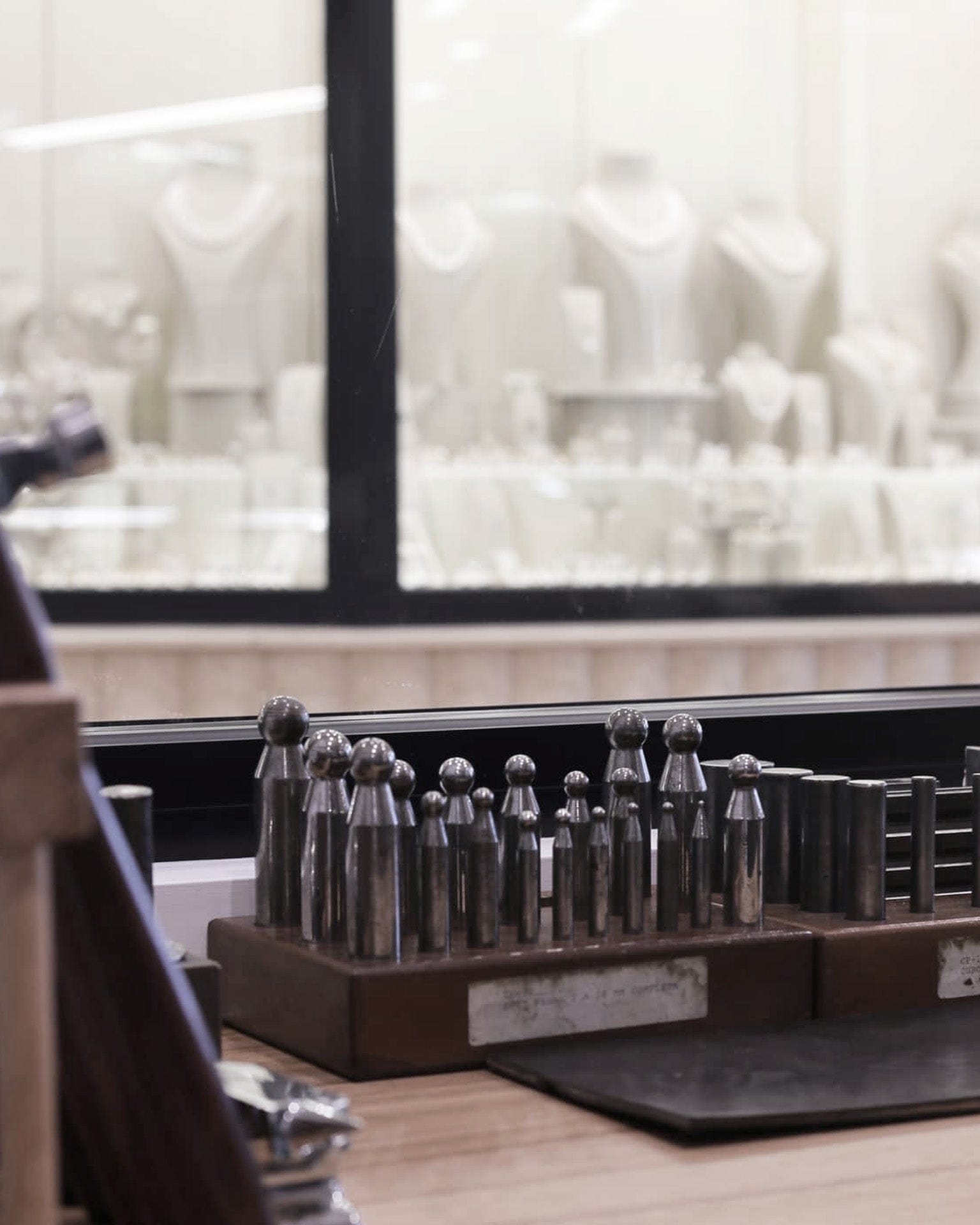
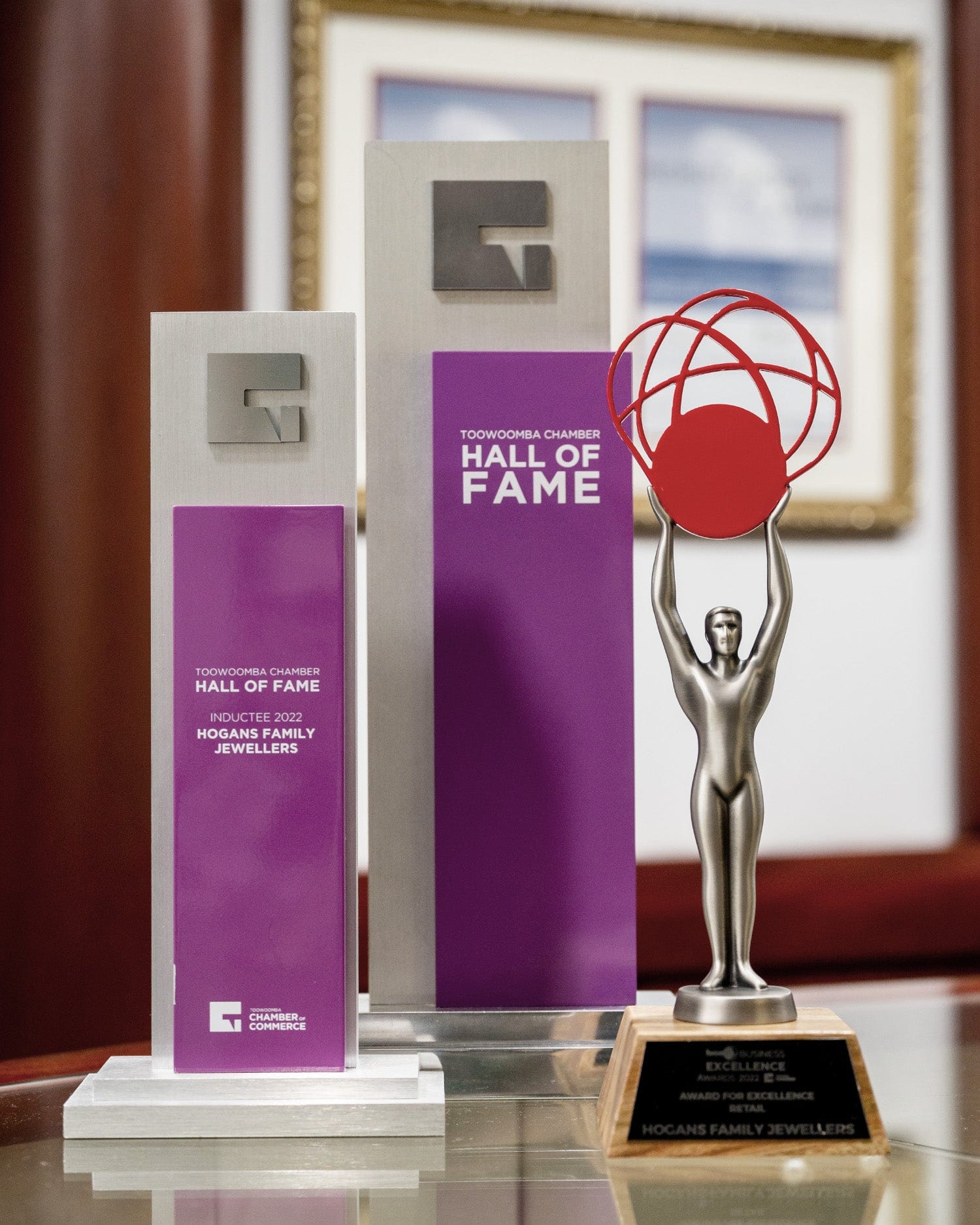
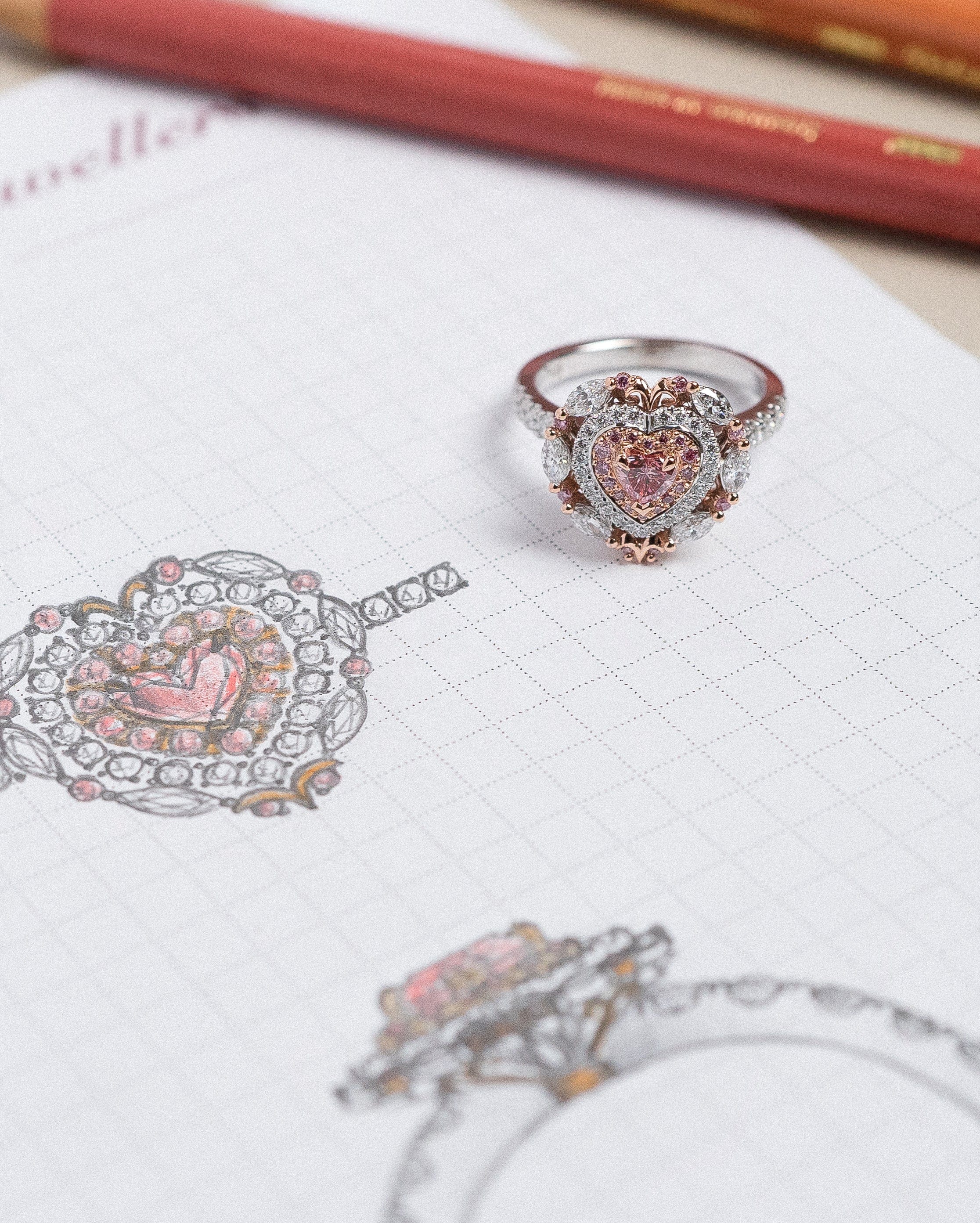
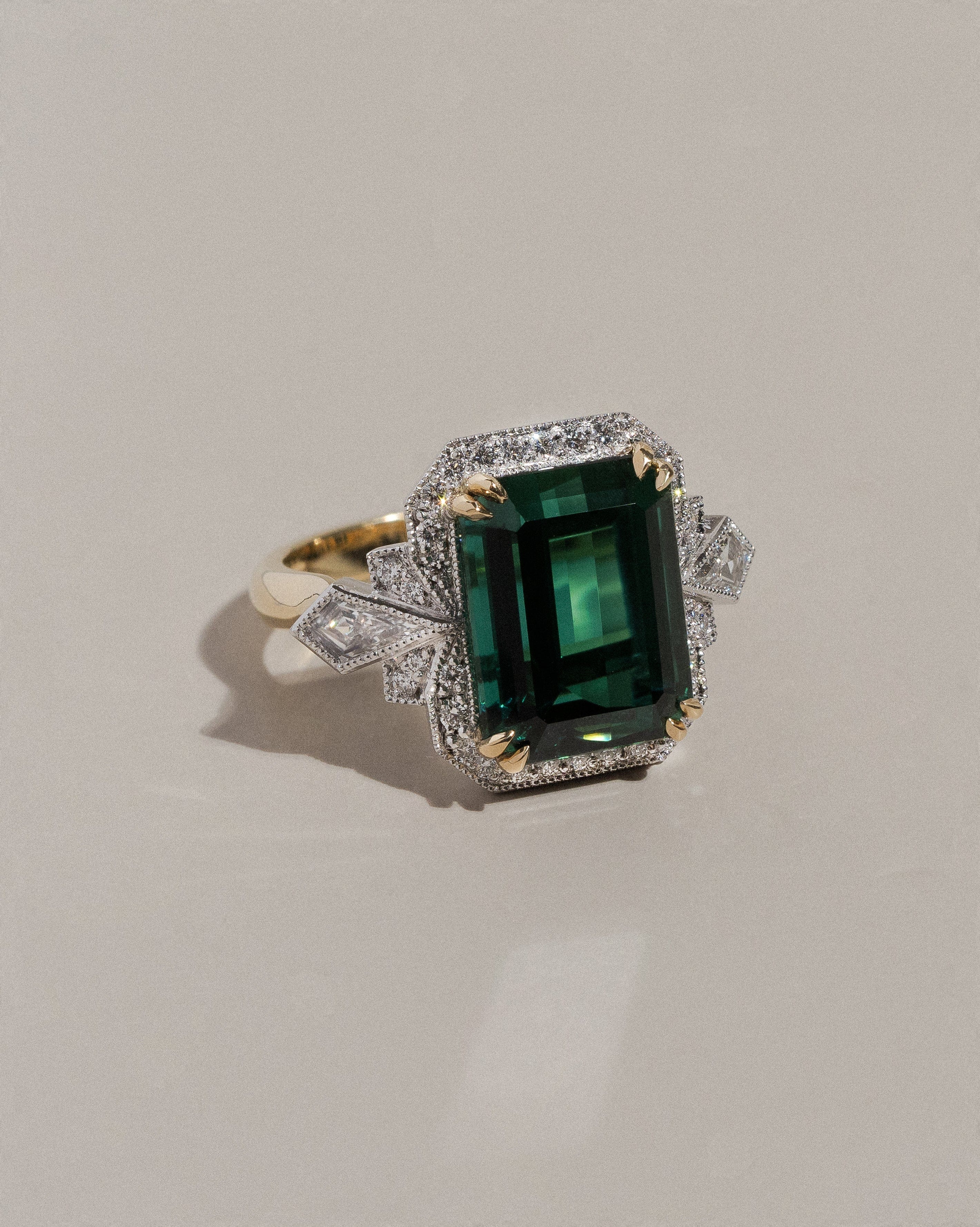

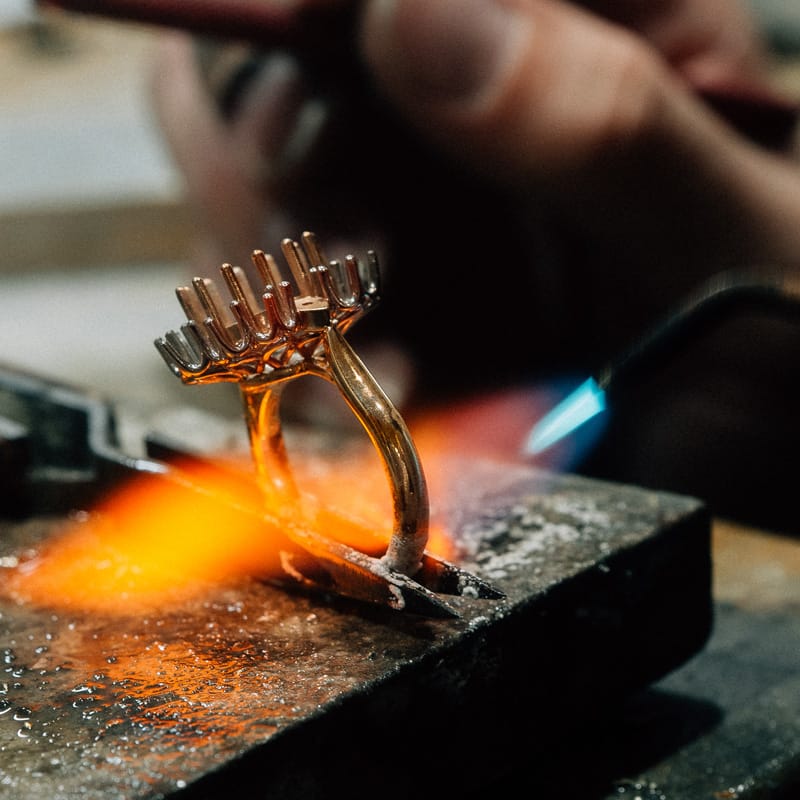
In a world where everything is mass produced, Hogans specialises in carefully crafted pieces, where each detail is considered and intentional through both the handmade, and Computer-Aided Design (CAD) rendered processes. When commissioning bespoke heirlooms, a common query is whether a design should be handcrafted entirely or created using CAD. Whilst these two approaches are often positioned as opposing methods, the reality is far more nuanced.
Both handmade craftsmanship and CAD technology play an important role in modern jewellery making, each offering distinct advantages in precision, durability, design flexibility, and production. At Hogans, we utilise both techniques to bring our clients' visions to life, carefully considering the unique requirements of each piece.
To gain a deeper understanding of these methods, we sat down with our Master Jeweller, Lachlan, to discuss the strengths of handmade craftsmanship, the evolution of CAD technology, and how both contribute to the creation of exceptional bespoke jewellery.

Q: Do you approach the creative process differently when designing a piece by hand versus digitally?
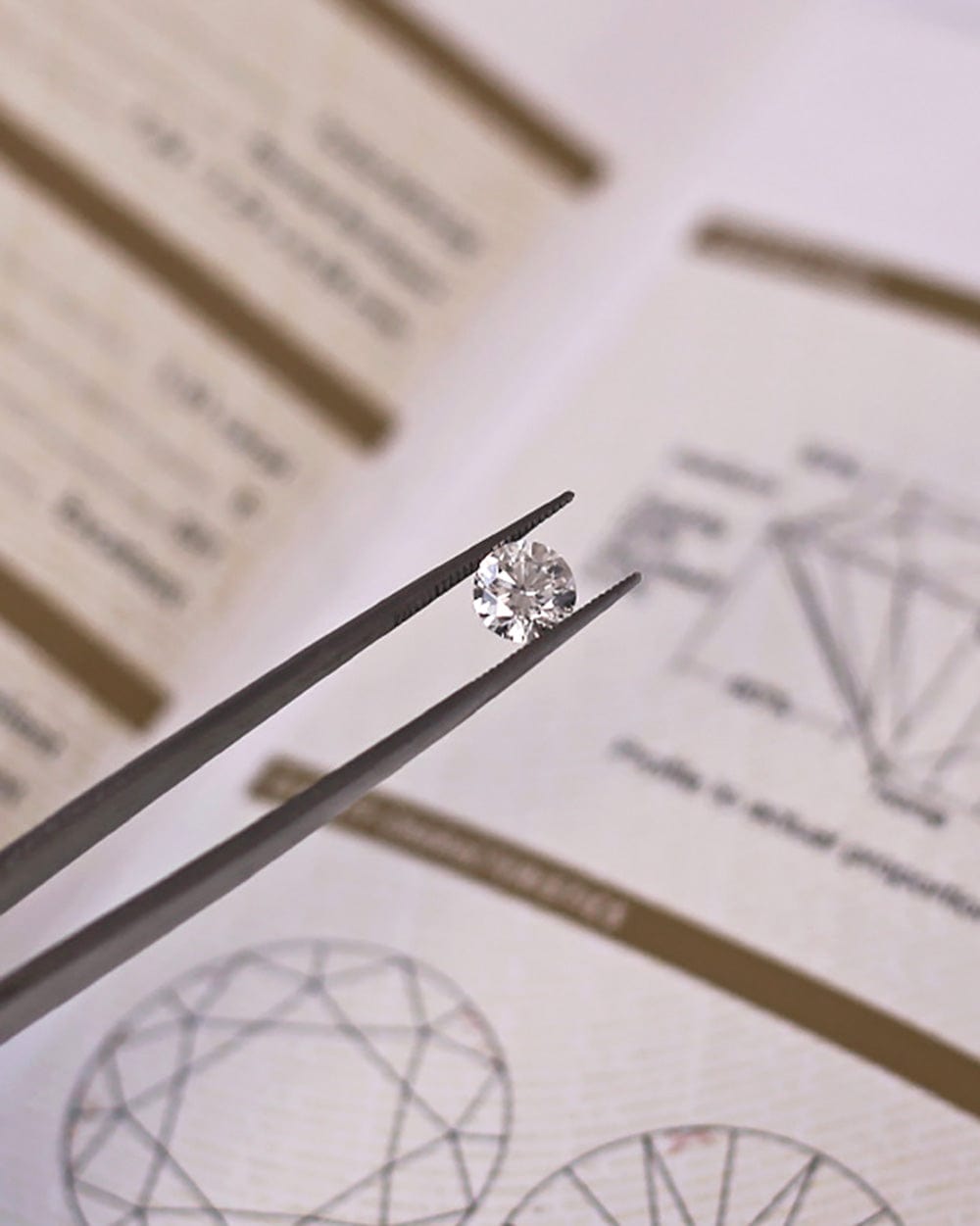
A: There are certain details and features that can be accomplished with the use of the CAD (Computer Aided Design) software to achieve a machine-like precision. In combining the use of technology and hand skills, we can design, create, and sculpt virtually anything using precious metals.
Q: In your experience, what are the greatest strengths of handmade craftsmanship?
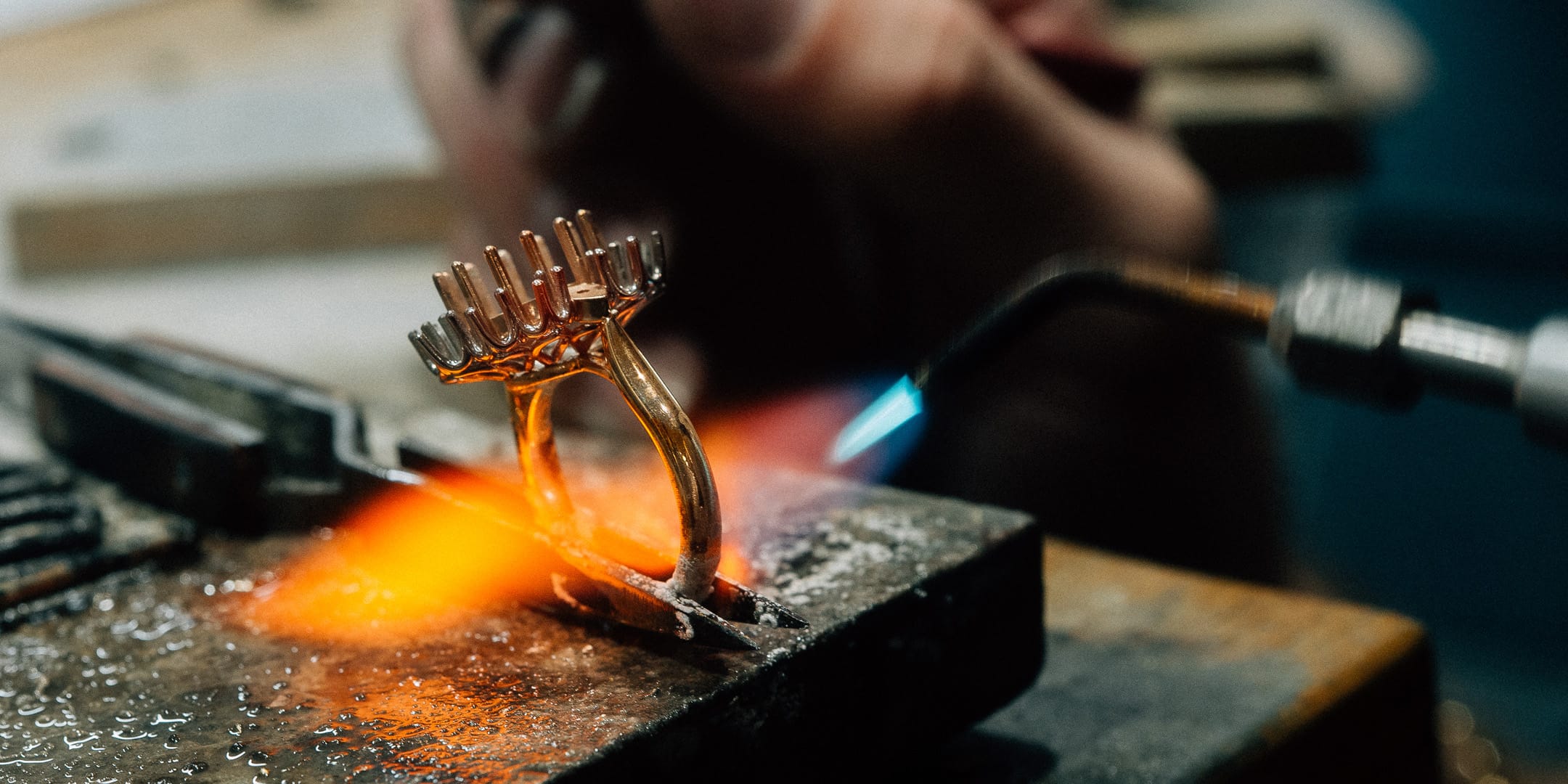
A: The most beneficial attribute of handmade craftmanship is the strength and durability of the metal after being work-hardened. The metal is compressed and worked so tightly that it gives the metal a very condensed nature, making it suitable for longevity in heirloom pieces.
Q: Conversely, what advantages has CAD technology brought to bespoke jewellery design?
A: The use of CAD software has revolutionised the jewellery manufacturing method completely. The precision of components is one of the biggest benefits, alongside the material efficiencies. Unfortunately, with today’s price of gold, it doesn’t make economic sense to handcraft jewellery the way it was done decades ago. There is far too much material wastage in handmaking pieces from a bar of raw material, not to mention the labour component of the manufacturing being considerably higher as well.
Q: Is there a common misconception clients have about handmade versus CAD-created pieces?
A: The most common misconception is that CAD products are inferior to handmade. Whilst there are pros and cons to both methods of manufacturing, it comes down to client preference, there is not one that supersedes the other. CAD products gained a poor reputation upon first release, however casting qualities have significantly improved with advances in technology. If you are looking for a product with precisely constructed intricacies at a more affordable price point, then CAD would be the recommended method. However, if you are looking for a slightly more durable product and the nostalgia of your piece being completely hand-fabricated from a bar of gold, then handmade is the ideal product for you.
Q: How do you determine which process is best suited to a particular design or client vision?
A: Nearly all designs can be handled through the CAD software, and we rarely require a combination of both techniques to achieve the desired outcome. In most circumstances, we provide the client with all of the information for both methods, and leave the decision to them, with the majority leaning towards CAD.

Q: How do you preserve artistry and individuality when working with digital technology?
A: The great part about working with Hogans is that we design unique bespoke pieces using either gemstones we hand select, or sentimental stones supplied by the customer. Both of our jewellery designers are available by appointment to consult with the client and hand sketch a wearable piece of art from a blank canvas. The creation of bringing the piece to life is the most artistic part of the process. There is no one size fits all design, everything is customised to ensure you will love your piece for a lifetime. From there, the design is transferred to the workshop where the team strive to achieve the design as precisely as possible.
Q: What role does hand-finishing play in elevating a CAD-designed piece into fine jewellery?
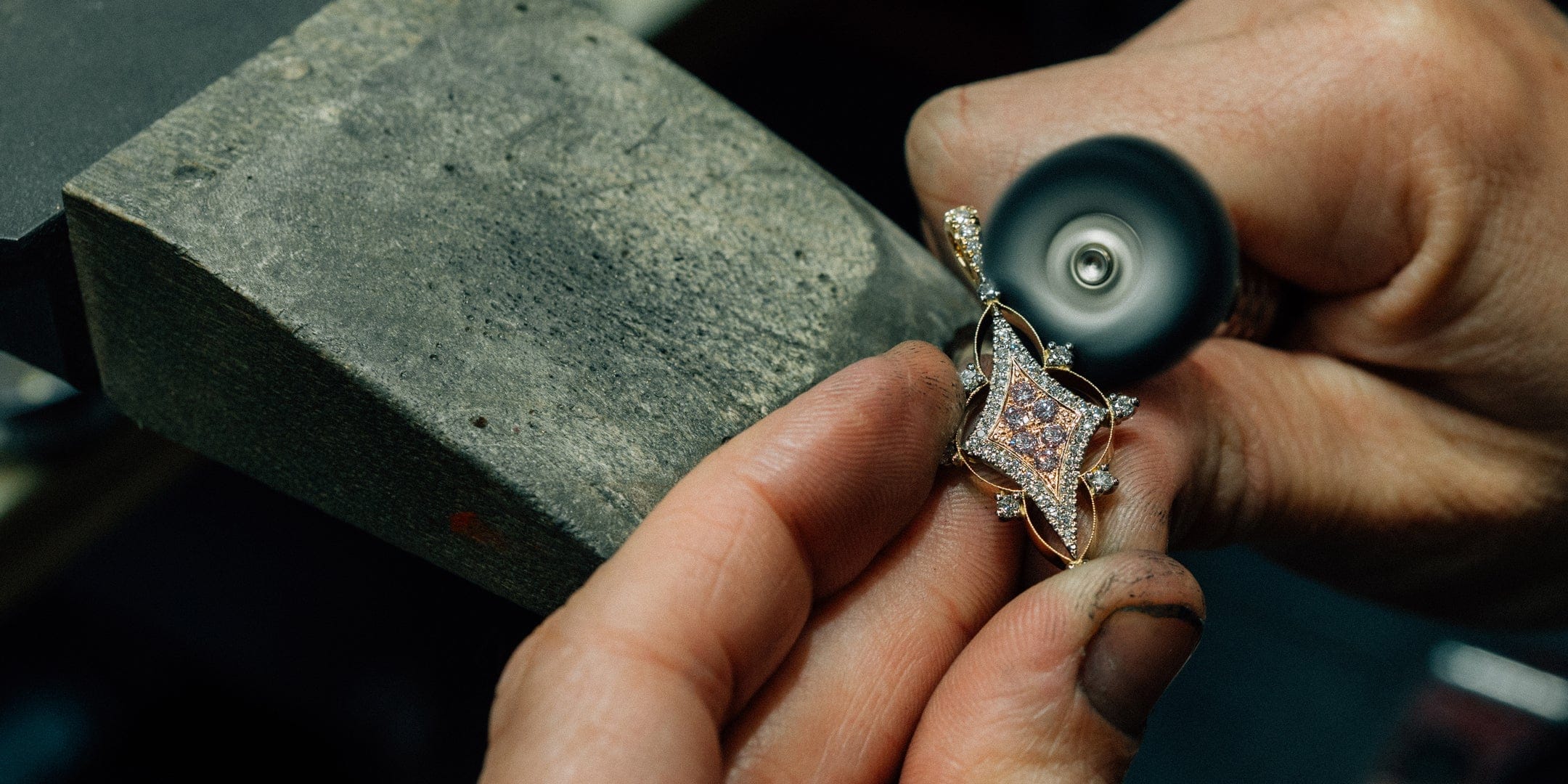
A: There are multiple levels of casting finishes, and we pride ourselves on achieving the highest standard of finishes whilst using the casting process. We choose to cast all the components in separate pieces and clean them up by hand before assembling. This ensures that the completed product has a handmade quality finish. This alone, sets us apart from many manufacturers, with much of the industry practising the single-piece casting method to reduce cleanup time and save costs. The trade off with this method is a lack of quality and detail in the finished piece.

At Hogans, every bespoke piece begins with an idea and is guided by the expertise of our designers, jewellers, and craftspeople. Whether crafted by hand, developed through CAD technology, or finished using a combination of both techniques, the result remains the same, a thoughtfully created piece designed to be treasured for generations.
Ready to create something uniquely yours? Book a design consultation with one of our design jewellers to commission a bespoke piece.