
Devised by German mineralogist Friedrich Mohs in 1812, the Mohs Hardness Scale is a qualitative ordinal scale developed for mineralogists and geologists to classify minerals based on their resistance to scratching or abrasion. Whilst this is the first noted method of its kind, the comparison of mineral hardness is ancient, with similar methods noted by Theophrastus around 300BC.
The brilliance of this system lies in its simplicity. It operates on the fundamental principle that a harder mineral will scratch a softer one, but not vice versa, allowing professionals in the field to quickly assess and classify minerals in both laboratory and field settings.
The scale is non-linear, inferring that the intervals are not equal. To illustrate, diamond is four times harder than sapphire, however they sit a mere one level apart. As such, the Mohs Hardness Scale is relative, not absolute.

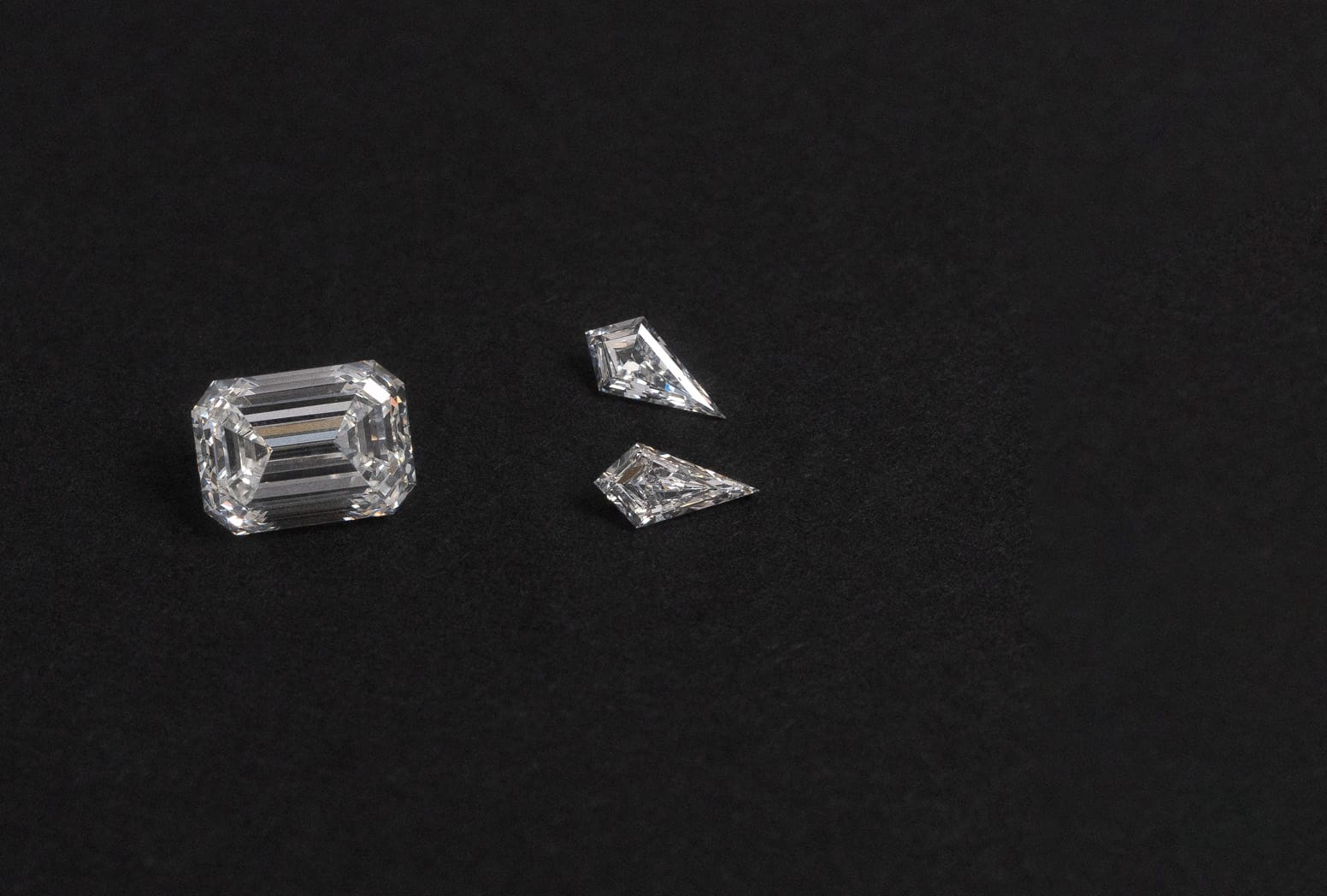
Contrary to popular belief, the Mohs Hardness Scale does not measure a minerals resistance to breakage. A diamond is classified as the hardest mineral, however their rigid atomic structure makes them brittle, thus susceptible to shattering, cracking, or chipping upon a high impact strike.
Comprehension of a gemstones hardness is paramount when purchasing a jewellery piece as it allows for guidance of the care required. Our experienced team members are available to help guide you through the process of selecting a suitable gemstone for your lifestyle.
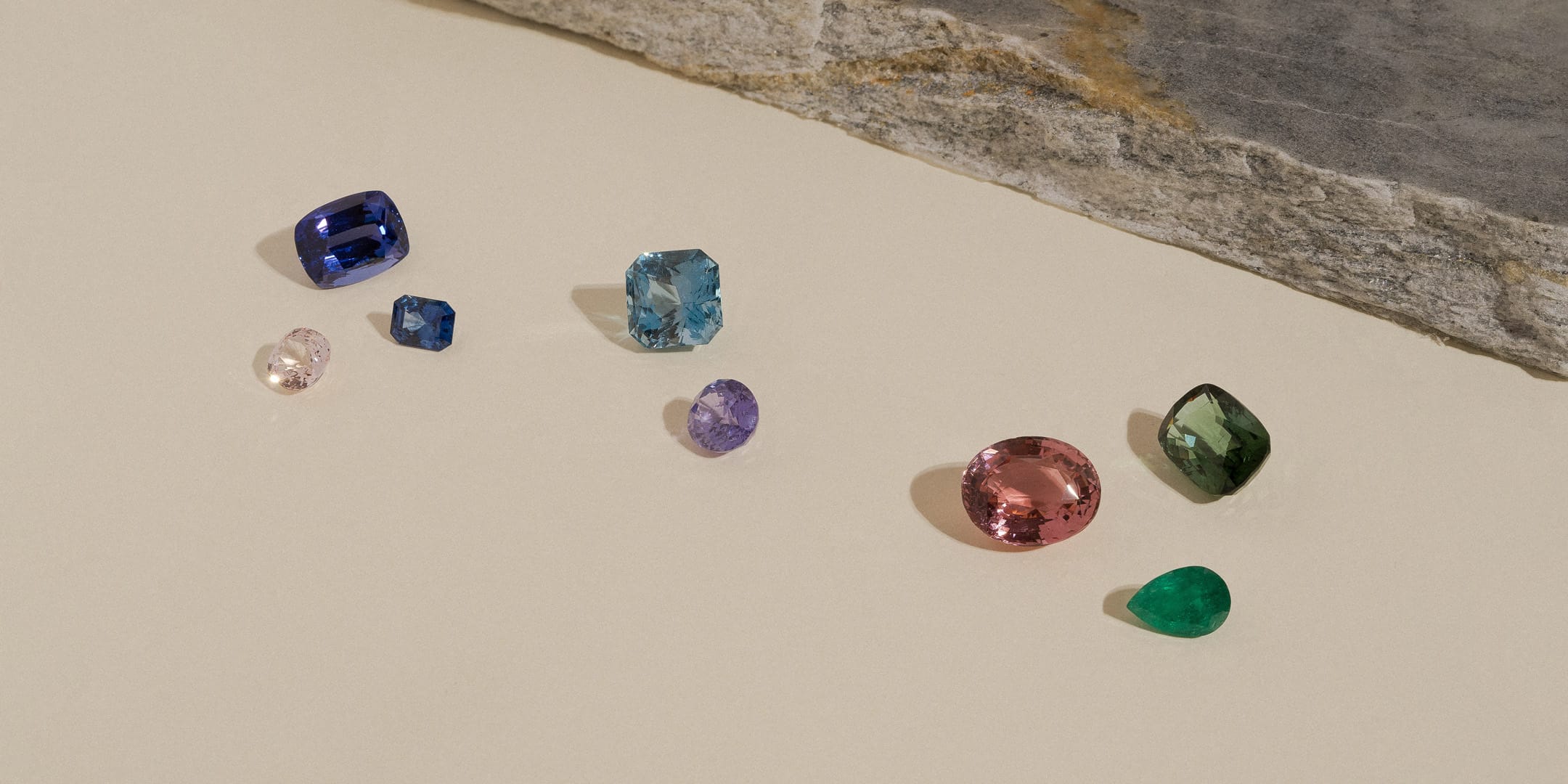
When selecting a gemstone suitable for regular wear, such as an engagement ring, or an everyday dress piece, it is always suggested that you opt for a gemstone that ranks high on the Mohs Hardness Scale, such as a diamond, sapphire, or ruby. With a vast range of colour availability across these gemstones, you won't have to compromise on your preference.

For all gemstones, irrespective of the hardness, it is always strongly recommended that you wear them with care, and regularly utilise our complimentary check and clean service provided with any Hogans purchase.